Tuesday, December 25, 2012
Infectious arthritis caused by bacteria requires quick treatment
Infectious arthritis caused by bacteria requires quick treatment
By DR. KOMOROFF Universal Uclick
Published: 12/24/2012 2:21 AM
Last Modified: 12/24/2012 3:54 AM
Dear Doctor K: I saw my doctor for pain and inflammation in my knee. He said I have arthritis caused by a bacterial infection. Could this be true?
Dear Reader: Wear and tear on a joint is the main cause of the most common type of arthritis, osteoarthritis. In rheumatoid arthritis and juvenile idiopathic arthritis, an overactive immune system causes joint inflammation.
But joints also can become infected with bacteria and fungi. These microbes may directly infect the joint, for example, through a puncture wound or major injury. But more often, the infection spreads to a joint by traveling through the bloodstream from somewhere else in the body. Once the microbe reaches the joint, it can multiply. The immune system recognizes the invading foreigner and tries to wipe it out. The infection and the immune response cause warmth, pain, stiffness and swelling.
Several types of bacteria can cause arthritis. The diagnosis of infectious arthritis is made by removing fluid from the joint through a needle. The microbe causing the infection can usually be identified in that fluid.
Once diagnosed, you'll immediately begin antibiotic treatment. This should eliminate the infection and help prevent permanent joint damage if begun early enough. If your infection is advanced, or if joint damage has already occurred, you may need to be hospitalized.
At the hospital, your affected joint can be drained. Sometimes fluid is repeatedly removed with a needle and syringe. In other cases, a surgeon needs to open the joint and place a drain in it to let the joint fluid constantly leak out of the body. You can also receive antibiotics intravenously if necessary. If your joint is seriously damaged, you may need surgery to remove damaged tissue and reconstruct the joint.
Often you need to briefly immobilize your affected joint while recovering from the infection. But it's best to become active again as soon as you are able.
TulsaWorld
Labels: bacteria, diagnosis, fungus, immune response, immune system, Infectious arthritis, treatment
# posted by Pat O'Connor @ 6:06 AM

Wednesday, December 19, 2012
Issues in the diagnosis and treatment of lyme disease.
Issues in the diagnosis and treatment of lyme disease.
Source
Department of Medicine (Infectious Diseases), Falmouth Hospital, USA.
Abstract
Since the identification of the causative organism more than 30 years ago, there remain questions about the di-agnosis and treatment of Lyme Disease. In this article, what is known about the disease will be reviewed, and approaches to the successful diagnosis and treatment of Lyme disease described. In considering the diagnosis of Lyme disease, a major problem is the inability of documenting the existence and location of the bacteria. After the initial transfer of the bacteria from the Ixodes tick into the person, the spirochetes spread locally, but after an initial bacteremic phase, the organisms can no longer be reliably found in body fluids. The bacteria are proba-bly present in subcutaneous sites and intracellular loci. Currently, the use of circulating antibodies directed against spe-cific antigens of the Lyme borrelia are the standard means to diagnose the disease, but specific antibodies are not an ade-quate means to assess the presence or absence of the organism. What is needed is a more Lyme-specific antigen as a more definitive adjunct to the clinical diagnosis. As for the treatment of Lyme disease, the earliest phase is generally easily treated.
But it is the more chronic form of the disease that is plagued with lack of information, frequently leading to erroneous recommendations about the type and du-ration of treatments. Hence, often cited recommendations about the duration of treatment, eg four weeks is adequate treatment, have no factual basis to support that recommendation, often leading to the conclusion that there is another, per-haps psychosomatic reason, for the continuing symptoms. B. burgdorferi is sensitive to various antibiotics, including pe-nicillins, tetracyclines, and macrolides, but there are a number of mitigating factors that affect the clinical efficacy of these antibiotics, and these factors are addressed.
The successful treatment of Lyme disease appears to be dependent on the use of specific antibiotics over a sufficient period of time. Further treatment trials would be helpful in finding the best regimens and duration periods. At present, the diagnosis of Lyme disease is based primarily on the clinical picture. The pathophysiology of the disease remains to be determined, and the basis for the chronic illness in need of additional research. Whether there is continuing infection, auto-immunity to residual or persisting antigens, and whether a toxin or other bacterial-associated product(s) are responsible for the symptoms and signs remains to be delineated.
Labels: B. burgdorferi, bacteria, causative organism, diagnosis, Ixodes tick, lyme disease, signs, symptoms
# posted by Pat O'Connor @ 9:26 AM
Sunday, December 09, 2012
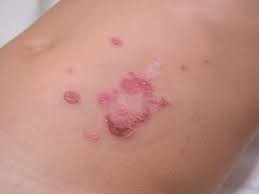
Impetigo image and information
 Dr. Lynn Chiam
What is Impetigo?
Impetigo is a skin infection that can spread from one person to another. Impetigo causes one or more "sores" on the skin that are often covered by a thick dry honey-colored crust. The sores don't hurt, but may be tender if touched. They may also be itchy. Any skin area can be affected, but sores are usually on arms or legs, the face (mainly around the mouth, nose, or ears), and sometimes on the scalp. Anyone can get impetigo, but it most often occurs in children 2 to 6 years old. The disease is most common during summer and fall, but can occur anytime.
What Causes Impetigo?
Impetigo is usually caused by a group of bacteria ("germs") called group A streptococci ("strep"), or by other bacteria called staphylococci ("staph"). These bacteria are normally found on the skin and in the nose. When small cuts, scratches, or insect bites occur, these bacteria can get under the skin surface and cause infection. Infected areas are often reddish and puffy. Fluid or pus oozes from the sore for a few days. The fluid dries to form honey-colored crusts. As the bacteria multiply, the sores increase in number and size.
How is Impetigo Spread?
Impetigo is very contagious. Sores have large numbers of the bacteria. The bacteria are easily passed to new areas of the skin by scratching or touching the sores or to other people by unwashed hands, dirty fingernails, and clothing or other objects that have touched the sores. To help prevent spread of impetigo:
- Bathe or shower daily.
- Keep fingernails clean and short.
- Wash with hot water and soap clothing, sheets, towels, and other items that come in contact with impetigo sores or crusts. Do not share these items with anyone else.
- Keep sores covered with clean bandages. Wash your hands after changing the bandage.
- Throw away used bandages in a trash bag.
Children who may have impetigo should not attend school or daycare. They should not sleep, play, or have close contact, with other children until after they have been seen by a doctor.
Impetigo
ICD-9 684; ICD-10 L01
Texas Dept of State Health Services
 Wikipedia
Labels: bacteria, Impetigo image, impetigo infection, insect bite, scratches, small cuts, staph, strep a
# posted by Pat O'Connor @ 9:35 AM
Thursday, November 15, 2012
Conquering antibiotic-resistant bacteria by knowing the facts
Conquering antibiotic-resistant bacteria by knowing the facts
The Center for Disease Control and Prevention featured awareness of unnecessary antibiotic use on November 13, 2012 on their website as a kick off to their “Get Smart About Antibiotics Week.” Inappropriate use continues to be a major problem in the U.S. and continues to be problem contributing to antibiotic-resistant bacteria.
Medline Plus presented results of a poll on November 13, 2012 indicating 90 percent of Americans know antibiotics treat bacterial infection, but 36 percent incorrectly think these drugs eradicate viral infections like the flu or common cold. An important factor related to this issue involves antibiotic-resistant superbugs such as methicillin-resistant Staphylococcus aureus (MRSA). About 60,000 people die in the U.S. every year from drug-resistant infections. Taking antibiotics when unnecessary leads to the bacteria becoming resistance to the drug. The bacteria then mutate into superbugs meaning that the microorganism can withstand the effects of the antibiotic. The bacteria lives and needs a stronger antibiotic to kill it. Unfortunately, drug development evolves slowly and individuals die because no drug will kill the stronger bacteria.
Medscape Medical News reported good news on the rate of antibiotic prescriptions in the U.S. decreased 17 percent between 1999 and 2010. However, some states still overprescribe. Seven states in the south prescribing antibiotics more than double the rate of other states in the nation. The seven states in order of most prescriptions of antibiotics filled per 1000 population include Kentucky, West Virginia, Tennessee, Mississippi, Louisiana, Alabama and Arkansas. On the flip side, the states ranked starting with the lowest prescriptions filled include Alaska, Hawaii, California, Oregon, Washington, Colorado and New Hampshire.
According to Science Daily, research shows overuse of antibiotic hastens the development of bacteria resistant to drugs. Antibiotic use began in the 1930s, but bacteria resistance to the antibiotics began in the 1990s. People believed that the drugs worked so well and request their use inappropriate.
What can consumers do to help with the problem of antibiotic overuse? Mayo Clinic gives advice on best actions to take. First, do not demand antibiotics from your healthcare provider. The provider must decide what is best for the patient. Second, do not take antibiotics prescribed for another person. Consuming the wrong medicine can delay appropriate treatment and contribute to bacteria resistant to antibiotics. Third, when antibiotics are prescribed, do not skip doses, do not save any pills for the next time you are sick and take all the pills. Consumers can help with antibiotic use and help solve the problem of bacteria-resistance to antibiotics.
Labels: antibiotic, antibiotic prescriptions, bacteria, resistant, superbugs, viral infections
# posted by Pat O'Connor @ 7:31 AM
Sunday, November 11, 2012
Pneumonia number one killer of children
Pneumonia number one killer of children
Muhammad QasimSunday, November 11, 2012
From Print Edition
Rawalpindi
Pneumonia being the leading cause of death in children kills an estimated 1.4 million children under the age of five every year worldwide. Every year, it accounts for 18 per cent of all deaths of children below five years of age, which is more than AIDS, malaria and tuberculosis combined. Out of these, 99 per cent of deaths occur in developing countries.
In Pakistan, more than 352,000 children die before their fifth birthday every year and almost one third of these deaths are due to pneumonia. If not all, at least 70 per cent of these deaths can be avoided with the help of in time management of the cases. There is a need to create awareness among public that pneumonia can easily be avoided through prevention and it is curable.
Professor and Head of Community Medicine at CMH Lahore Medical College Dr. Muhammad Ashraf Chaudhry expressed this while talking to ‘The News’ in connection with World Pneumonia Day, which is observed every year on November 12 around the globe. The theme of the day this year is: ‘Fight Pneumonia: Save a Child’.
He added that the day is observed with an aim to raise awareness of pneumonia as a public health issue and help prevent millions of avoidable deaths from pneumonia that occur each year. “World Pneumonia Day is an opportunity to remind our leaders that the lives of babies and children are too important to be discounted,” said Dr. Ashraf.
Pneumonia is a form of acute respiratory infection that affects the lungs. It is caused by viruses, bacteria or fungi (germs). The viruses and bacteria that are commonly found in a child’s nose or throat can infect the lungs if they are inhaled. They may also spread via air-borne drops from a cough or sneeze.
Studies reveal that children whose immune systems are compromised are at higher risk of developing pneumonia. A child’s immune system may be weakened by malnutrition or under nourishment, especially in infants who are not exclusively breastfed, said Dr. Ashraf.
He added that HIV infections and measles also increase child’s risk of contracting pneumonia. Environmental factors such as indoor air pollution caused by cooking fires and heating with biomass fuels (such as wood or dung), living in crowded homes and parental smoking also increase a child’s susceptibility to pneumonia, he said.
He believes that ignoring early signs of pneumonia can be death sentence. “The symptoms of pneumonia include rapid or fast breathing, cough, fever, chills, loss of appetite, wheezing, and lower chest wall in drawing while severely ill infants may be unable to feed or drink and may also experience convulsions.”
To a query, Dr. Ashraf said that the good news is that pneumonia is preventable and treatable with host of proven interventions including exclusive breastfeeding to infants in their six months of life, ensuring an environment free of indoor air pollution and promoting frequent hand washing (protection); immunizing against leading causes (prevention); and ensuring access to medical care and antibiotics when cases do emerge (treatment).
He added that limiting exposure to smoke from cigarettes or indoor cook stoves and fires can help limit the risk of pneumonia. Research has shown that hand washing with soap and water can reduce the number of pneumonia-related infections in children under the age of five by more than 50 per cent, he said.
He added that immunizing against Hib (Haemophilus influenzae type B vaccine), pneumococcus, measles and whooping cough is the most effective way to prevent pneumonia. “The government of Pakistan has recently included pneumococcal vaccine in Expanded Program on Immunization and all parents having infants below six weeks of age can now get their children immunized against pneumonia free of cost.”
Dr. Ashraf said that pneumonia can be treated with antibiotics but only 30 per cent of the children receive antibiotics when needed. “Pneumonia-related child deaths can be reduced by 70 per cent by managing cases of pneumonia in children with antibiotics at the community level.” He said that Lady Health Workers can be trained to assess signs of pneumonia, determine appropriate treatment and advice parents, administer antibiotics and provide home care. The LHWs can also refer sick children to a healthcare facility if complications arise.
He added that children suffering from pneumonia can be treated promptly and effectively with antibiotics, however, overuse of antibiotics should be avoided in order to curb microbial resistance and children with upper respiratory tract infections (mainly coughs and colds) should not be prescribed unnecessary antibiotics. Similarly indiscriminate use of cough medicines should also be reduced.
Prevention and proper treatment of pneumonia could avert one million deaths in children every year while with proper treatment alone, over 600,000 deaths could be avoided, concluded Dr. Ashraf.
Labels: bacteria, children, fungi, germs, Haemophilus influenzae type B vaccine, HIV infections, killer, measles, pneumonia, viruses, World Pneumonia Day
# posted by Pat O'Connor @ 6:36 AM
Friday, November 09, 2012
Viruses evolve to prevent bacterial hosts from committing suicide
Viruses evolve to prevent bacterial hosts from committing suicide
Nov 9, 2012
University of Cambridge researchers have discovered an extraordinary way that bacterial parasites prevent their hosts from killing themselves to protect the wider colony.
Researchers funded by BBSRC discovered that a strain of the potato soft rot and blackleg bacterium Pectobacterium atrosepticum (AKA Erwinia) had evolved to commit suicide in the presence of certain viral parasites, known as bacteriophages, to limit the spread of viral infection in the wider bacterial population.
Some mutant bacteriophages have evolved to stop their hosts from committing suicide.
Image: iStockphoto, Thinkstock 2012
The bacterial cells in a population that commit "suicide" by dying prematurely can be viewed as acting "altruistically", giving up their lives to prevent viral replication in siblings in the rest of the culture, in a process called abortive infection.
The paper, Viral Evasion of a Bacterial Suicide System by RNA-Based Molecular Mimicry Enables Infectious Altruism, published in PLoS Genetics on October 18 2012, also identified how the evolutionary arms race had produced low numbers of bacteriophage mutants that could suppress bacterial suicide in infected cells. These rare mutants (from a new transducing bacteriophage of the Myoviridae family) had evolved to produce an RNA antitoxin similar to that normally manufactured by the bacteria to suppress the lethality of the endogenous toxin, thus evading the suicide defence mechanism. By producing the mimic antitoxin, the virus could continue replicating without becoming a victim of the host's defensive system.
The mutant bacteriophage was also able to transfer DNA encoding the defense system to a new bacterial host. In doing so it may have indirectly created populations of host cells inside which it could successfully replicate while potentially providing the new host with better protection from competing viral predators.
Professor George Salmond, deputy head at Cambridge University's Department of Biochemistry, said: "This work highlights the incredibly dynamic world of adaptive co-evolution in bacteria and their viruses. The emergence of an RNA-based molecular mimicry in the virus to suppress bacterial suicide is an exciting observation.
"Furthermore, multiple alternative and novel routes, through which different bacteriophages may evolve to evade abortive infection, remain to be discovered. Because the bacteriophage investigated can pick up DNA from one bacterium and transfer it to a new host, this meant that escape mutants might be able to transfer the abortive infection system to other hosts - and that was confirmed. In effect, this could be viewed as an example of 'infectious altruism' - with a virus acting as a vector to transmit an anti-viral defense system between bacteria.
"Hypotheses about the molecular evolution of the "altruistic" trait, and possible adaptive impacts and fitness consequences (for both virus and bacterial host) can now be formally tested."
Labels: bacteria, bacterial death, bacteriophages, parasites, RNA antitoxin, virus
# posted by Pat O'Connor @ 7:51 AM
Fighting bacteria with mucus
Fighting bacteria with mucus
Nov 9 2012
Slimy layers of bacterial growth, known as biofilms, pose a significant hazard in industrial and medical settings. Once established, biofilms are very difficult to remove, and a great deal of research has gone into figuring out how to prevent and eradicate them.
Results from a recent Massachusetts Institute of Technology (MIT) study suggest a possible new source of protection against biofilm formation: polymers found in mucus. The MIT biological engineers found that these polymers, known as mucins, can trap bacteria and prevent them from clumping together on a surface, rendering them harmless.
"Mucus is a material that has developed over millions of years of evolution to manage our interactions with the microbial world. I'm sure we can find inspiration from it for new strategies to help prevent infections and bacterial colonization," says Katharina Ribbeck, the Eugene Bell Career Development Assistant Professor of Biological Engineering and senior author of the paper, which appears online in Current Biology.
Mucin coatings may help prevent biofilm formation on medical devices and could also find applications in personal hygiene: Incorporating them into products such as toothpaste or mouthwash may supplement the body's own defenses, especially in people whose natural mucus has been depleted, Ribbeck says.
Lead authors of the Current Biology paper are former MIT postdoctoral researcher Marina Caldara and Ronn Friedlander, a graduate student in the Harvard-MIT Division of Health Sciences and Technology. Other authors are Nicole Kavanaugh, an MIT graduate student in biology; Joanna Aizenberg, a professor of materials science at Harvard University; and Kevin Foster, a professor of evolutionary biology at the University of Oxford.
How to stop bacteria from teaming up
Mucus normally lines most of the wet surfaces of the body, including the respiratory and digestive tracts. "The textbook view of mucus is that it forms a barrier to infection, but it's not at all clear how it does so," Ribbeck says.
To investigate that question, Ribbeck and her colleagues observed the behavior ofPseudomonas aeruginosa bacteria in a growth medium that contained soluble purified mucins—long proteins with many sugar molecules attached.
For bacteria to effectively penetrate the mucus layer and infect the tissues below, they need to form clusters that can adhere to the tissue surface. Clumps of bacteria are much more difficult for the immune system to clear, because immune cells are specialized to attack individual bacterial cells.
"In general, you want to have bacteria around, you just don't want them to team up," Ribbeck says. "You want to them to be mixed with many other bacteria that are good for you. You don't want a single species to take over, because then they may overgrow the system."
In the new study, the researchers found that mucins block bacterial cluster formation by preventing them from adhering, which is necessary for them to clump together. When bacteria stay motile, they end up suspended in a gooey mix and can do less harm.
"The mucins have the ability to suppress virulence by keeping the cells separate. It's like keeping your kids in separate rooms, so they will stay out of trouble," Ribbeck says.
However, bacteria are sometimes able to break through this defense system and cause infections. This can be accelerated by reductions in mucus due to aging, dehydration, or chemotherapy, Ribbeck says. Or it may be that the mucus does not get replaced often enough, as happens in the mucus-clogged lungs of cystic fibrosis patients.
The finding contradicts a long-held belief that mucus is merely a sticky substance that traps more or less everything, says Gunnar C. Hansson, a professor of medical biochemistry at the University of Gothenburg in Sweden. It also "opens a new window for studies of mucins and their properties, which will help us to develop new medical therapies and biotechnological applications," says Hansson, who was not part of the research team.
'Managing microbial behavior'
One advantage of using mucins as antimicrobial coatings is that the substance disarms pathogenic bacteria without killing them. This makes it less likely that bacteria could evolve resistance to mucins, as they do to antibiotic drugs. It would also spare the beneficial bacteria that live on mucus membranes.
"This is a nice mechanism where you just suppress the virulence traits without killing the bacteria," Ribbeck says. "It's nature's way of managing microbial behavioral in a way that could be useful to take advantage of."
Her laboratory is now investigating exactly how mucins prevent bacteria from losing their motility, and also how they block infection by nonmotile bacteria. Mucins seem to have wide-ranging antimicrobial properties: Ribbeck has previously shown that they can trap viruses and keep them from infecting cells, and she is now studying mucin interactions with other pathogenic organisms, such as yeasts.
Labels: antimicrobial properties, bacteria, bacterial colonization, biofilms, hygiene, immune system, mucus, polymers
# posted by Pat O'Connor @ 7:45 AM
Tuesday, November 06, 2012
Natural Bacteria May Provide New Way to Reduce Bad Cholesterol
Natural Bacteria May Provide New Way to Reduce Bad Cholesterol
By Micropharma Limited
Published: Monday, Nov. 5, 2012 - 8:12 am
LOS ANGELES, Nov. 5, 2012 --/PRNewswire/ -- Micropharma Limited today announced plans to launch Cardioviva™(Lactobacillus reuteri NCIMB 30242), the world's only probiotic shown to naturally help reduce LDL-cholesterol, a risk factor for heart disease, by 11.6 percent in hypercholesterolemic adults. Micropharma will launch Cardioviva™ in Canada and in the U.S. in early 2013.
The announcement was made after an American Heart Association (AHA) Scientific Sessions press conference today that discussed the new research regarding Cardioviva's ability to naturally lower "bad" and esterified cholesterol. The findings were also presented at a scientific session entitled "Probiotics for Heart Health: Next Generation of Adjunct Therapies for Lipid Management."
The new evidence in support of Cardioviva not only suggests new potential causes of high cholesterol and methods for naturally managing it, but also adds to an emerging body of research on the gut microbiome (bacteria) and the essential role it plays in overall health.
"Recent evidence suggests that an unbalanced or "dysbiotic" gut microbiome may be caused by environmental factors such as poor diet and antibiotic use, and is not only found in patients with metabolic disease, but may lead to the development of diseases such as obesity, diabetes, and cardiovascular disease," said Mitchell Jones, MD, PhD, chief scientific officer and co-founder of Micropharma.
"We proposed a natural solution for lowering cholesterol by creating gut balance 1) through diet to encourage the right bugs, and 2) through supplementing the gut with the right bacteria," he said. "Our two clinical trials have evaluated ~240 subjects and showed that supplementing the microbiome (gut) with Cardioviva naturally lowered LDL ("bad"), total and esterified cholesterol in adults with moderately high cholesterol. A third clinical trial of 150 subjects is currently underway."
"Micropharma has brought a clinical development path to the world of supplements, with tools and techniques for dissecting the microbiome to find natural and novel ways to improve metabolic health," said Ryan Jones, president and CEO of Micropharma. "We are proud that Cardioviva is the first probiotic to clinically move a recognized marker of disease."
According to the AHA, nearly 38 million people in the United States would benefit from the combination of diet and drug therapy, and another 30 million from diet and exercise to reduce cholesterol levels.[1] Lack of awareness, fear of side effects, reluctance of otherwise healthy people to take medication, and cost are the major factors interfering with cholesterol management.
The peer-reviewed clinical science behind Cardioviva breaks new ground for probiotics and the potential good they can do naturally through the gut. Cardioviva, as a supplement or ingredient, provides a new solution to consumers and health care providers looking for natural ways to help manage high cholesterol as part of a healthy diet and lifestyle. It provides a new natural solution for cholesterol management that can fill the gap between diet, exercise and drugs.
"The results of this research is positive, in light of current treatment guidelines that recommend lowering LDL-C as one of the first lines of therapy for reducing CVD risk," said Penny Kris-Etherton, PhD, RD, Distinguished Professor of Nutrition, Penn State University. "Since diet and other lifestyle approaches are the first step in treating elevated LDL-C, a non-prescription product that enhances lifestyle interventions for LDL-C lowering is of great interest, both to health professionals as well as the general public."
Visit myCardioviva.com for science, information, and to sign up to receive updates on Cardioviva.
About Micropharma Limited
Micropharma Limited, a pioneer in the development of innovative and effective probiotics, is launching a portfolio of natural supplements and food ingredient solutions aimed at addressing specific health markers to help maintain and improve health and wellness. Micropharma is specifically focused on products that address the healthy and natural metabolic balance and functioning of the microbiome, its resulting impact in the body and improving human health. For more information, visit Micropharma.net or MyCardioviva.com.
Sacramento Bee
Read more here: http://www.sacbee.com/2012/11/05/4962075/natural-bacteria-may-provide-new.html#storylink=cpy
S
Read more here: http://www.sacbee.com/2012/11/05/4962075/natural-bacteria-may-provide-new.html#storylink=cpy
Read more here: http://www.sacbee.com/2012/11/05/4962075/natural-bacteria-may-provide-new.html#storylink=cpy
Labels: bacteria, cardiovascular disease, cholesterol, diabetes, diet therapy, drug therapy, gut microbiome, obesity, Probiotics, reduce
# posted by Pat O'Connor @ 8:16 AM
Crohn's disease in children may start from bacteria
Crohn's disease in children may start from bacteria
Nov 5, 2012
Certain types of bacteria may cause and maintain Crohn’s disease, according to a new study.
Crohn’s causes inflammation of the digestive system. Symptoms include abdominal pain, diarrhea, weight loss, joint pain, skin problems, fever and bleeding from the rectum.
In this study, researchers found that 19 children newly diagnosed with Crohn’s disease had different levels of a group of bacteria called proteobacteria, which include E. coli and Campylobacter concisus.
The researchers also checked bacteria levels in 21 healthy children.
Patients with mild Crohn’s had higher levels of proteobacteria in their intestinal tracts than those with moderate to severe disease and children without Crohn’s disease.
This suggests that these types of bacteria may play a role in causing the disease, said study principal investigator Hazel Mitchell of the University of New South Wales, in Australia.
The findings may help lead to new treatments that target intestinal bacteria.
The study was published in the October issue of the Journal of Clinical Microbiology.
“We deliberately chose to examine children newly diagnosed with Crohn’s disease, as we thought this would increase our chances of detecting species that may be involved in initiating Crohn’s disease,” Mitchell said in a journal news release.
Mitchell explained that factors that can affect bacteria in the intestinal tract — such as the use of antibiotics or anti-inflammatory drugs, smoking or alcohol consumption — are less likely to be present in children than in adults.
Labels: abdominal pain, bacteria, bleeding, Crohn's disease, diarrhea, digestive system, fever, inflammation, joint pain, Proteobacteria, skin problems, weight loss
# posted by Pat O'Connor @ 8:12 AM
Bacteria alert | Are pacifiers too icky for calming babies?
Bacteria alert | Are pacifiers too icky for calming babies?
Nov 5, 2012
Pacifiers are universally popular with new parents and their infants, but there's one big problem with them: They can get dirty. Very dirty.
Researchers report that they found a wide range of disease-causing bacteria, fungus and mold on pacifiers that young children had been using.
They added that pacifiers can often grow a slimy coating of bacteria — called a biofilm — that actually alters the normal bacteria in a baby or toddler's mouth. That biofilm can spur inflammation and potentially increase the risk of developing gastrointestinal problems such as colic or even ear infections.
In fact, the same types of bacteria found on a common pacifier have been linked to cardiovascular disease, metabolic syndrome, allergies, asthma and autoimmune diseases, said study author Dr. Tom Glass, a professor of forensic sciences, pathology and dental medicine at Oklahoma State University.
Glass said the problem with pacifiers applies also to removable orthodontic appliances such as retainers and even athletic mouth guards and dentures. Pores in the plastic can capture fungi, bacteria, food and water, creating a perfect spot for bacterial and fungal growth and infection, he explained.
The research was scheduled to be presented recently at the American Society for Clinical Pathology annual meeting in Boston. The data and conclusions of the study should be considered preliminary until they are published in a peer-reviewed journal.
The study authors collected 10 pacifiers from healthy infants at a pediatric clinic. They chopped up the nipples and shields finely, and put them in laboratory dishes designed to allow any bacteria or fungi that was present on the pacifiers to grow.
After 24 and 48 hours, the investigators compared the growth around the used pacifiers to the growth in dishes in which chopped-up new, unused pacifiers had been placed.
While half of the 10 used pacifiers were lightly contaminated, the other 5 were heavily contaminated (with levels reaching as high as 100 million colony-forming units per gram).
The researchers cultured 40 different species of bacteria from the 10 used pacifiers. One pacifier was contaminated with four different strains of Staphylococcus aureus. Yet, the unused pacifiers were found to be sanitary (with colony growths in the dishes less than 100 colony-forming units per gram).
What was particularly concerning, said Glass, was that many of the bacteria growing from the used pacifiers were resistant to commonly used antibiotics such as penicillin and methicillin.
The development of such resistance to certain antibiotics does not cause the organism to be more infectious than other strains that have no antibiotic resistance, but it can make the infection more difficult to treat.
Glass doesn't recommend that parents use pacifiers to calm their babies and toddlers.
"After doing the study, I say why take a risk? The key is to recognize that pacifiers can cause illness," he said. "In the long run, it may be that what you do now [using a pacifier] may have a lot to do with whether a child ends up developing atherosclerosis or type 2 diabetes."
For those who still choose to use pacifiers, Glass recommends soaking them daily in a denture-cleaning agent and carrying extras so a dropped or soiled pacifier doesn't have to be replaced without first cleaning it thoroughly at home.
He also recommends throwing out pacifiers after two weeks of use because wear increases the bacteria-trapping porousness of the plastic.
Some experts are not concerned about pacifiers carrying disease-causing germs.
Dr. Ben Hoffman, medical director of the Children's Safety Center at Oregon Health and Science University's Doernbecher Children's Hospital, said he can't think of an infection a child has had that he would attribute to a pacifier.
"The majority of things you're going to find on a pacifier are things we'll find on our clothes, normal human flora," said Hoffman. "It's not a reason to demonize pacifiers if people find them useful."
Labels: babies, bacteria, pacifiers
# posted by Pat O'Connor @ 8:04 AM
Sunday, November 04, 2012
How Investigating Bacteria Will Change Health Care In Hospitals
How Investigating Bacteria Will Change Health Care In Hospitals
Jennifer Welsh | Nov. 1, 2012
We often think of the world around us as sterile and static, especially when we are in a hospital. In reality, every surface on earth is literally teeming with millions of bacteria.
The goal of "Hospital Microbiome" is to try to see what microbes and viruses will move in to the hospital and how patients and hospital staff impact the variety of microbes that live in the hospital. Gilbert and his team will track the bacteria in the hospital before it opens and as it starts accepting staff and patients.
This data will help hospital administration, doctors, nurses, and researchers get a better understanding of how these bacteria and viruses make their way around a hospital, sometimes causing dangerous infections in the patients.
We asked Gilbert to explain the project and what they are hoping to find out from this hospital, below is an edited and condensed version of our conversation.
Business Insider: You've worked on multiple microbiome projects – Earth and Home — could you explain to me what microbiome is?
Jack Gilbert: A microbiome is the bacteria and other single celled organisms that live on and in whatever it is I'm studying. The home microbiome is the surfaces of your home, the kitchen counters, the doorknobs, and light fixtures and you, your hands, your feet and your nasal passages.
In the earth it's exactly what it sounds like, it's the entire planet. We have very ambitious goals of characterizing all microbial life on the planet.
BI: What kinds of microbes are you looking for in these projects?
JG: Um, all of them.
Essentially we want to uncover and identify the different types of bacteria that are present and associated with these kinds of environments.
In the home and the hospital it's obviously important to understand the pathogens, the bacteria that cause you to get sick. Where they come from, who brings them into those environments, how they develop and persist, and what that means.
It's shocking how little we actually understand about that after a century of work in microbiology. We have very little understanding of how these things move between surfaces and people.
BI: We think of the things around us as static, but these microbe communities change and evolve over time.
JG: Yeah, for example in the hospital microbiome project we have the unique opportunity to start exploring in detail the bacteria that live on the surfaces of the hospital, before all the patients move in.
We will be sampling the door handles, the floor, the toilets, showers and water in the incubators and the operating room.
When the patients and the staff move in there's a possibility they will bring with them less friendly bugs. They build up in the hospital environment and we don't know how they do that.
This causes people to get sick and even die in hospitals all over the United States and all over the world on a daily basis. These so-called healthcare acquired infections are very prevalent problem and we have very little understanding of how they get into the hospital, how they spread, what are the mechanisms of their development.
Article continued and concluded:
Business InsiderLabels: bacteria, Health Care, Hospitals, microbes, microbiologists, microbiome, viruses
# posted by Pat O'Connor @ 7:15 AM
New Approaches to Prevent Recurrent Ear Infections
New Approaches to Prevent Recurrent Ear Infections
Eliminating bacteria’s DNA and boosting antimicrobial proteins that already exist may help prevent middle ear infections from reoccurring. These are the findings from a Nationwide Children’s Hospital study that examined how an immune defense protein common in the middle ear interacts with a structure meant to protect a colony of bacteria.
The bacterium nontypeable Haemophilus influenzae (NTHI) causes a wide range of diseases of both the lower and upper airways, including middle ear infection. NTHI, like most other bacteria, can form a biofilm, a robust community of bacteria that allows the bacteria to evade the host’s immune system and protects the bacteria from antibiotics and other therapies designed to kill them.
Human beta-defensin-3 is an antimicrobial defense protein expressed in the middle ear of humans and other mammals that kills both Gram-positive and Gram-negative bacteria. Previous research has shown that if expression of beta-defensin is disrupted, the host’s ability to control the bacteria in the upper airway is altered and infection worsens.
Investigators in The Research Institute at Nationwide Children’s Hospital hypothesized that human beta-defensin-3 might lose its power to kill NTHI if it got caught up within the extracellular DNA that makes up a biofilm’s outer layer, thus preventing its contact with bacteria within the biofilm.
Upon examining their animal model of middle ear infection, Dr. Bakaletz’ team found that bacterial DNA and the animal’s defense peptides were detected together in biofilms that developed during infection. Also, the defense peptide was predominantly co-localized with the biofilm’s extracellular DNA.
When the team exposed the bacteria that cause ear infections to a concentration of human-beta defensin-3 that is typically detected in the a middle ear of a child with active infection, the peptide was able to kill 100 percent of the NTHI, but the killing stopped when extracellular DNA was introduced to the reaction.
“These data support the conclusion that the killing activity of the antimicrobial defense protein was decreased in an NTHI-induced biofilm due to its interaction with eDNA,” says Dr. Bakaletz, who is the lead study author and professor of Pediatrics and Otolaryngology at The Ohio State University College of Medicine.
When they removed extracellular DNA from the biofilm, the killing activity of the defense peptide was rescued.
“The ability to restore antimicrobial defense protein activity is encouraging, since biofilms are resistant to most treatments, including traditional antibiotics,” says Dr. Bakaletz.
Dr. Bakaletz says this study provides evidence for a new treatment regimen to target biofilms formed by NTHI during middle ear infection. One approach would be to deliver a therapeutic agent that can disrupt bacterial DNA, in conjunction with human beta-defensin-3 to the middle ear of a child with chronic, recurrent infection. Physicians could follow the same pathway used to target the middle ear during ear tube surgery, a common treatment for chronic ear infections.
“This approach would likely bolster the ability of the innate immune system to manage NTHI-induced biofilms, avoiding the need for antibiotics or empowering the use of antibiotics we already have in our arsenal,” says Dr. Bakaletz. “Doing so could help diminish the recurrent nature of middle ear infection.”
Science Blog
Labels: bacteria, extracellular DNA, Haemophilus influenzae, Human beta-defensin-3, middle ear, NTH, prevention, recurrent ear infections
# posted by Pat O'Connor @ 7:11 AM
FDA warns of harmful tattoo infections
FDA warns of harmful tattoo infections
Officials seeing increase in contaminated tattoos
Updated: Friday, 02 Nov 2012, 10:44 PM EDT
Published : Friday, 02 Nov 2012, 8:19 PM EDT
(WPRI) -- Today, everywhere you look, people from all walks of life have tattoos. That might lead you to believe tattoos are completely safe. But there can be serious health risks that can result in the need for medical care.
The Food and Drug Administration is warning about an increase in bacterial infections associated with tattoos. There has also been a recent outbreak of illnesses linked to contaminated tattoos. Hopefully if you decide to get one, you'll walk out of a tattoo parlor with a beautiful piece of body art that will last a lifetime. But as we've discovered, complications can occur.
If you want a tattoo, you can find many tattoo artists advertising online. But beware; anyone can claim to be a tattoo artist, but not everyone is licensed to practice. And that, according to health experts, could be a hazard to your health.
Rob Young is a licensed tattoo artist in Greenville. He says his shop is inspected by the Department of Health each time his license is up for renewal. His sterilizing equipment is checked. His certificates are checked. "We have a saying in this business," says Young. "Cheap tattoos aren't good, and good tattoos aren't cheap."
But everywhere you look online, you can find advertisements for cheap tattoos. And the artists themselves, according to the Department of Health, may not be properly licensed. And if they don't have a license, the Department of Health says that tattoo artist is not getting inspected. That means they could be putting profits before your health.
The FDA is also warning you about contaminated inks that have caused serious infections. Pictures on their website reveal one infection they are particularly concerned about. It's a bacterium that has been found in a recent outbreak of illness linked to contaminated tattoo inks. It can lead to lung disease, joint infection, and even infection of your organs.
Before getting a tattoo you're encouraged to check to make sure the tattoo artist is licensed. And check to see whether there have been any actions taken against them by the Rhode Island Department of Health. The Department of Health tells us if they get a complaint about an unlicensed tattoo artist, they will investigate it.
"They're supposed to protect the general public from any sort of health issue," says properly licensed tattoo artist Rob Young. "And these are health issues. And all it takes is one breakout and spread, and I fear that it will leave a black eye for the people that are doing it correctly."
If you are getting a tattoo and want to see the latest inspection report for a particular tattoo parlor, you can. The reports are free and public information. You just need to contact the Department of Health to get it.
Helpful Links:
Labels: bacteria, FDA, health rules, Infections, license information, tattoo
# posted by Pat O'Connor @ 7:08 AM


